96 hr
4-Day Nile Cruise: Aswan to Luxor with Hot Air Balloon
- Expert local guide
- Small group
- Skip-the-line access
- Free cancellation
Nile Cruise From Cairo to Luxor — Multi-Day Riverboat Journeys
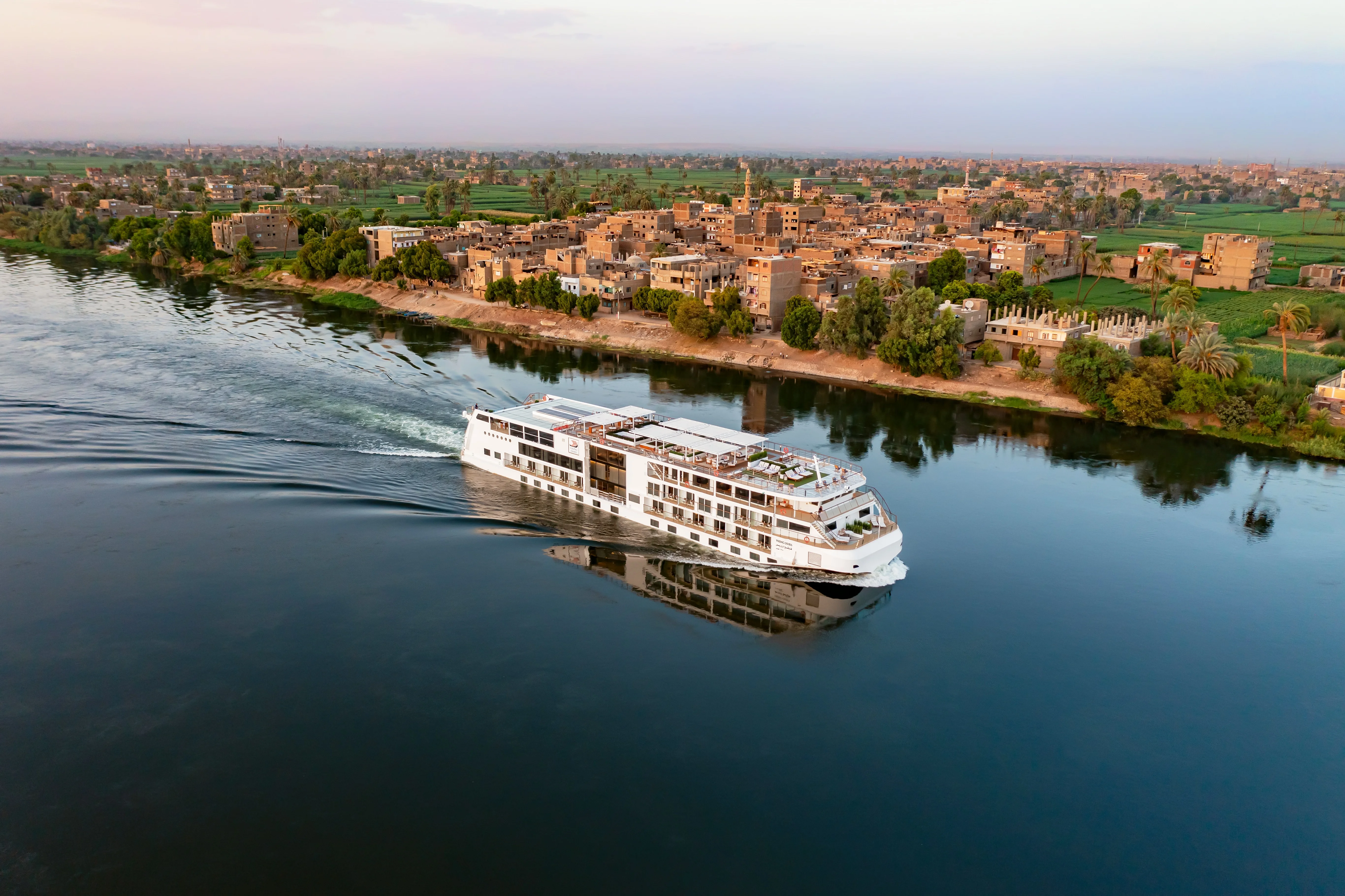
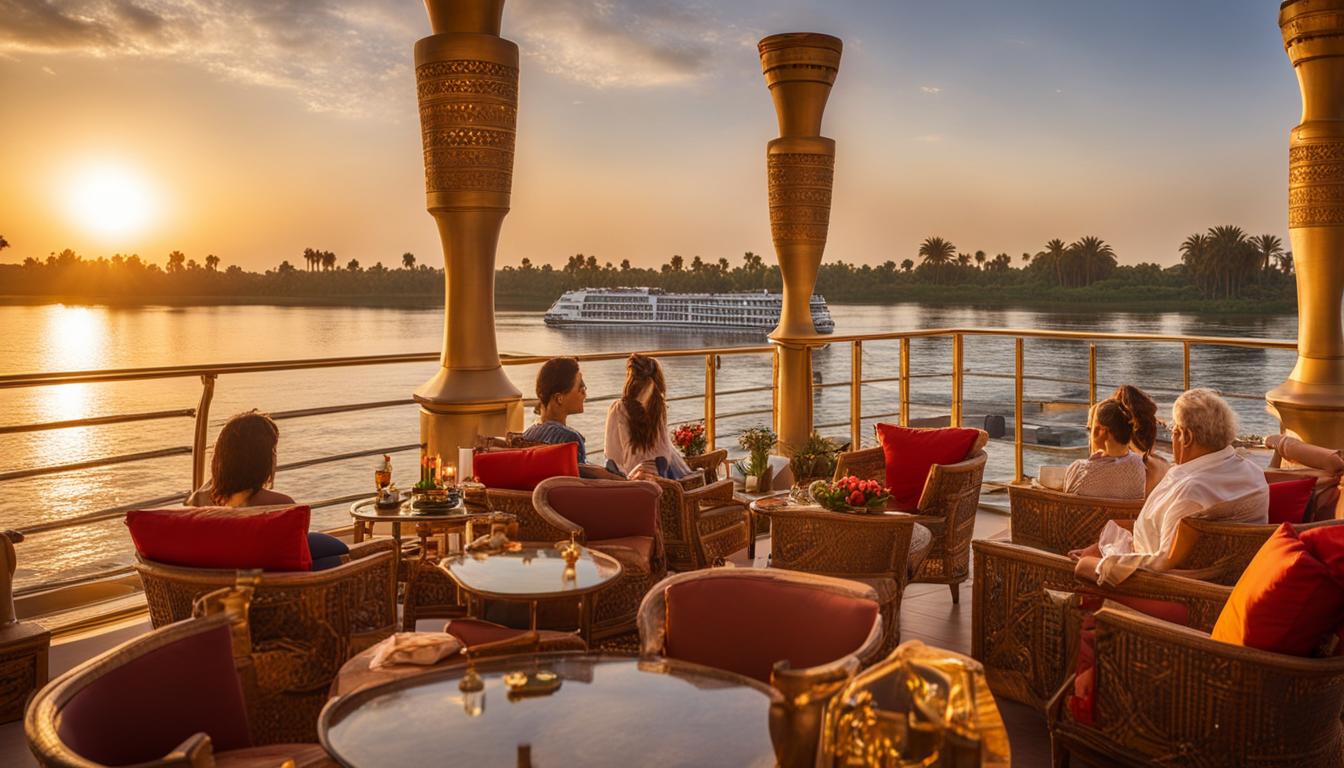
Ancient temples rise along verdant banks, sunsets paint the water gold
Compare fares, pick the fit — all bookings are mobile-voucher and eligible for free cancellation where shown.
96 hr
192 hr
2 hr
| Experience | Duration | Rating | Transfers | Pickup | Skip-the-line | Free cancel. | Price | |
|---|---|---|---|---|---|---|---|---|
|
Guided Experience
Most popular
4-Day Nile Cruise: Aswan to Luxor with Hot Air Balloon
|
96 hr | ★ 4.4 | ✓ | ✓ | ✓ | ✓ | $972 | Book → |
|
Guided Experience
8-Day Cairo, Luxor & Aswan Tour with Nile Cruise
|
192 hr | ★ 4.3 | ✓ | ✓ | ✓ | ✓ | $1100 | Book → |
|
Standard Entry
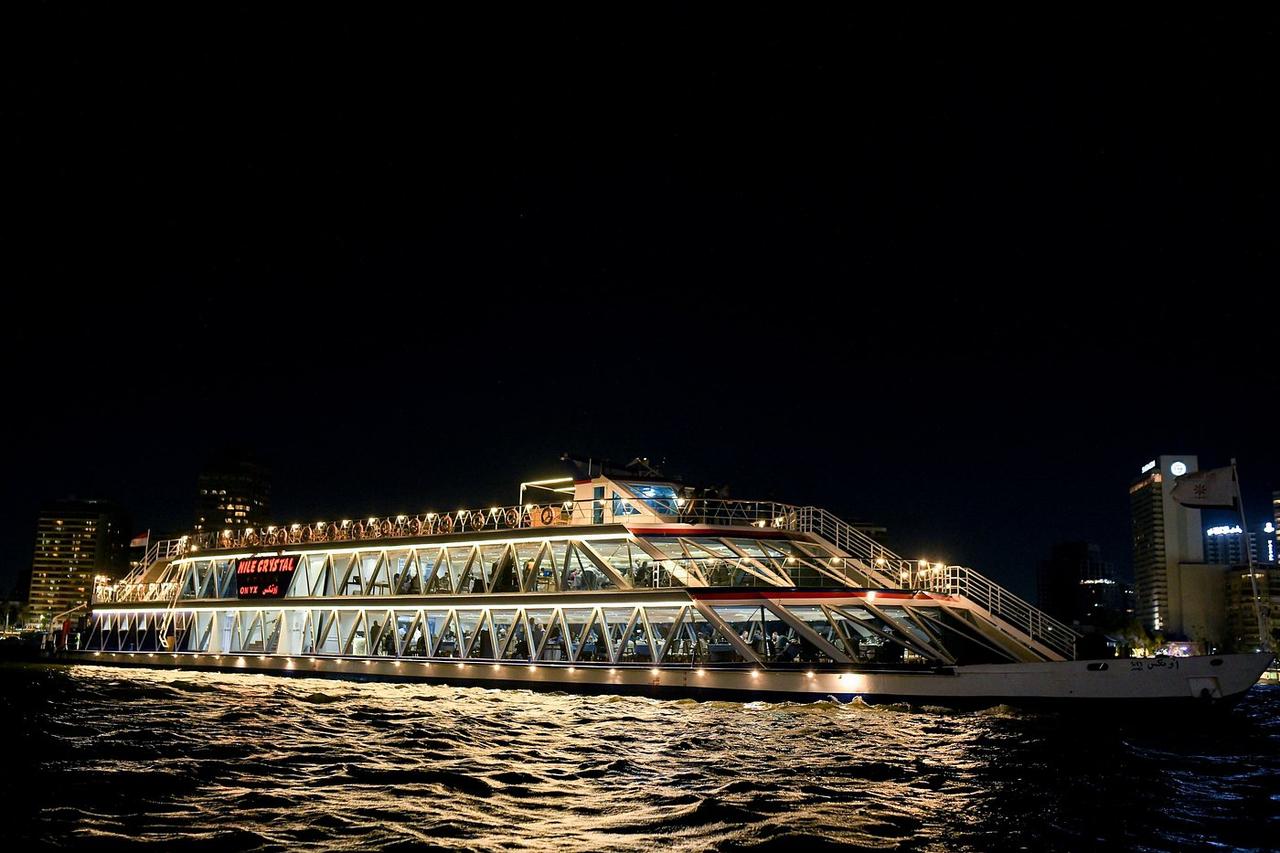
Nile River Dinner Cruise with Live Shows
|
2 hr | ★ 4.2 | ✓ | ✓ | — | ✓ | €37 | Book → |
Worth it for comfort seekers and history enthusiasts
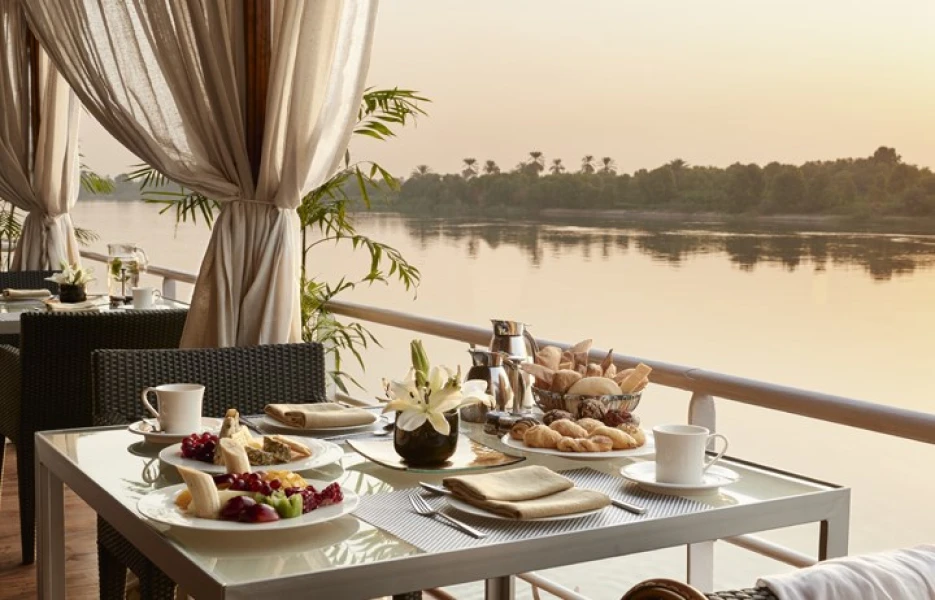
A nile cruise from cairo to luxor delivers a relaxed alternative to Egypt's chaotic highways, combining transportation with accommodation and guided shore excursions. Multi-day packages typically range from $400 per person for standard three-star vessels to $2,000+ for luxury five-star options with private balconies and Egyptologist-led tours. The value proposition hinges on what's included: budget cruises often charge separately for site entry fees, drinks, and tipping, while premium tiers bundle Karnak Temple visits, Valley of the Kings access, and onboard lectures. River travel eliminates daily packing and hotel changes, though you sacrifice flexibility—itineraries are fixed, and independent exploration requires pre-arranged land transport at ports. The experience pays off for travelers prioritizing scenery over speed and willing to accept slower pacing between ancient sites. Those comfortable navigating Egyptian trains or hiring private drivers can access the same monuments for 60-70% less, though without the Nile vistas or sunset felucca moments that define luxury Nile cruises from Cairo to Luxor.
Bottom line: The cruise justifies its cost if you value seamless logistics and riverside tranquility over independent flexibility and budget minimization.
The longer route offers a comprehensive journey through Egypt's northern heartland, while the Luxor-Aswan segment provides a more concentrated focus on southern ancient landmarks. Travelers seeking a deep-dive into historical corridors often prefer the nile cruise from cairo to luxor, whereas those with limited schedules find the southern route more efficient.
|
Top pick Cairo to Luxor |
Luxor to Aswan | |
|---|---|---|
| Duration | 10–14 days | 3–5 days |
| Sites Covered | Pyramids and temples | Temples and desert landscapes |
| Availability | Rare and seasonal | Daily year-round |
| Logistical Complexity | High requiring permits | Low standard tourist route |
| Overall Experience | Grand expeditionary passage | Relaxed sightseeing journey |
| See tickets & prices |
Verdict: Choosing between these nile cruise from cairo to luxor tours and the southern alternative depends on whether you prioritize the rare passage through Middle Egypt or the classic efficiency of nile cruise from cairo to luxor tickets for the primary southern sites, though many find the latter more accessible for a nile cruise from cairo to luxor tour.
Hand-picked experiences loved by thousands of travelers
2 hours
Free Cancellation
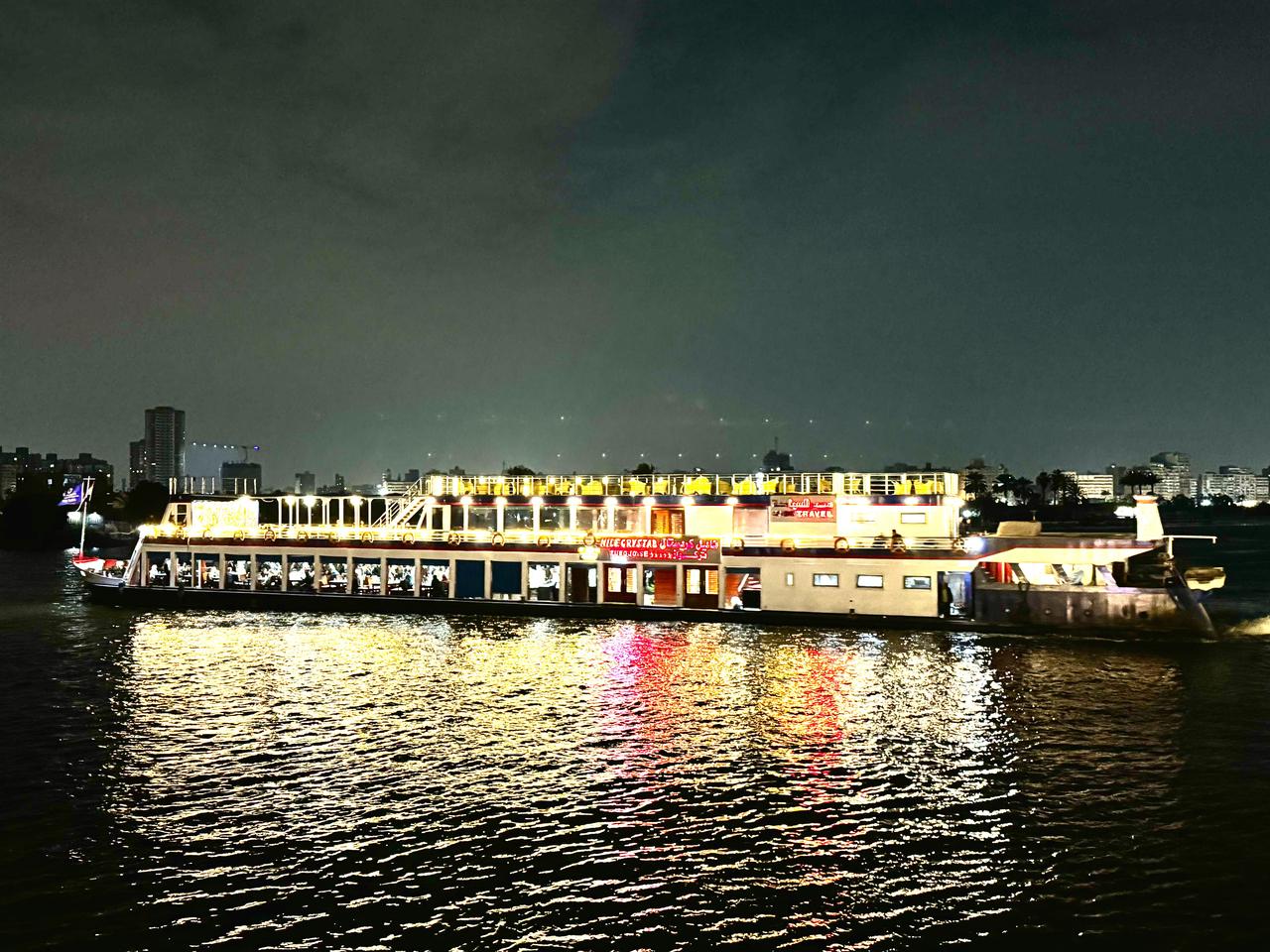
Two-hour evening cruise on the Nile with buffet dining, Tanoura dancers, and belly dance performances
15 hours
Free Cancellation
Explore ancient Luxor's temples and tombs on a full-day private excursion with round-trip flights from Cairo.
2 hours
Free Cancellation
Glide along the Nile while dining on Egyptian cuisine and watching traditional dance performances
4 days
Free Cancellation
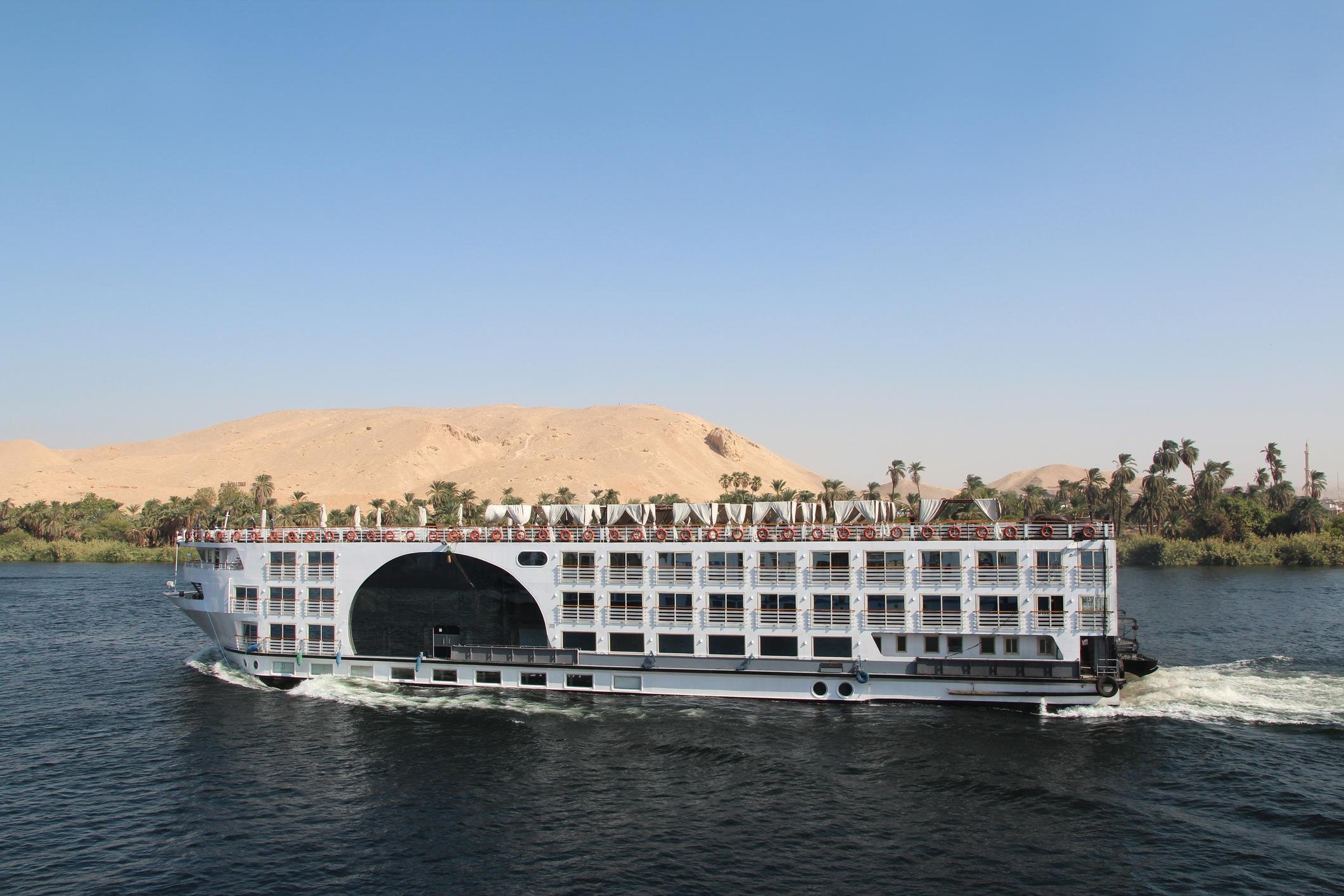
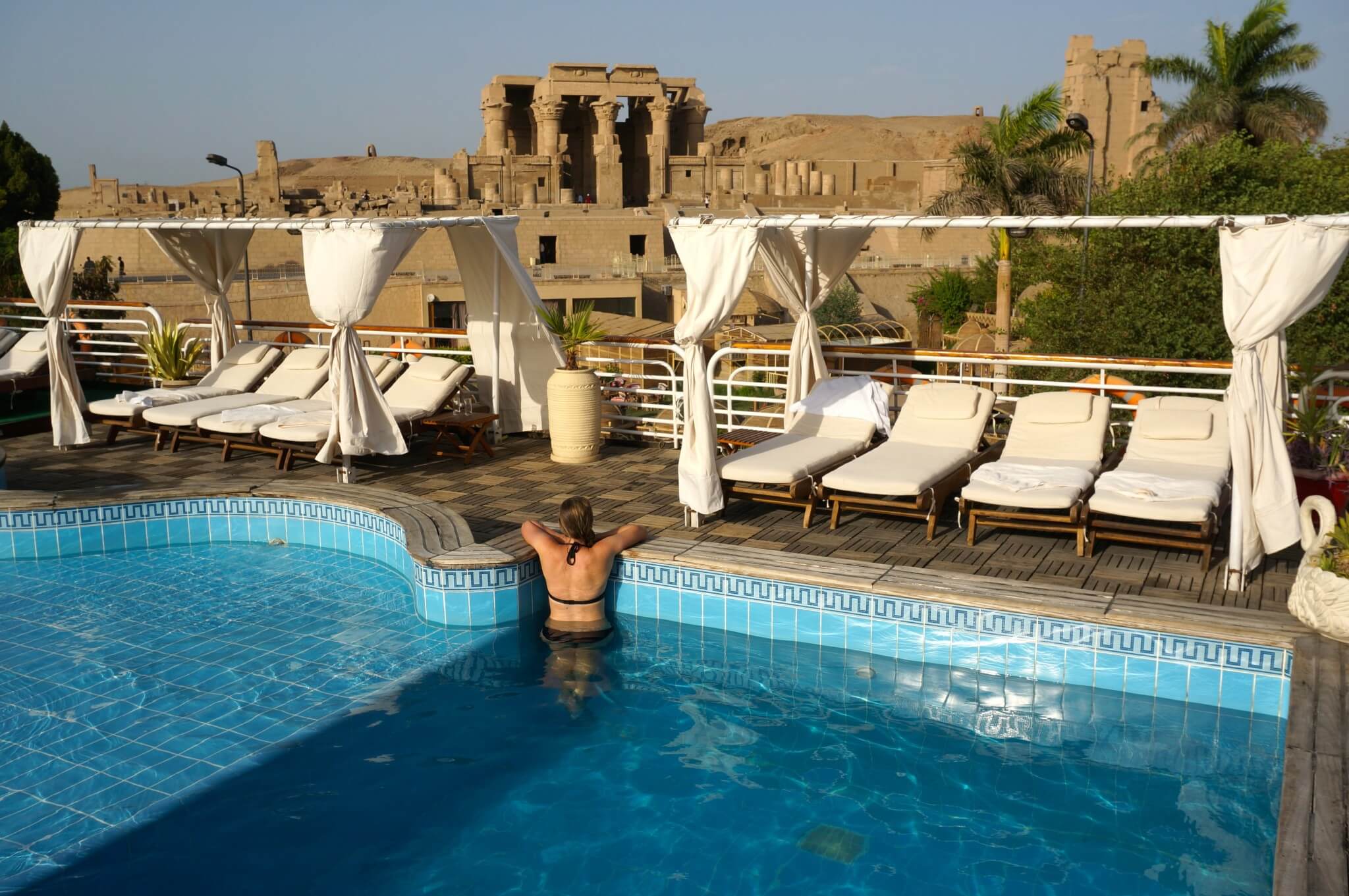
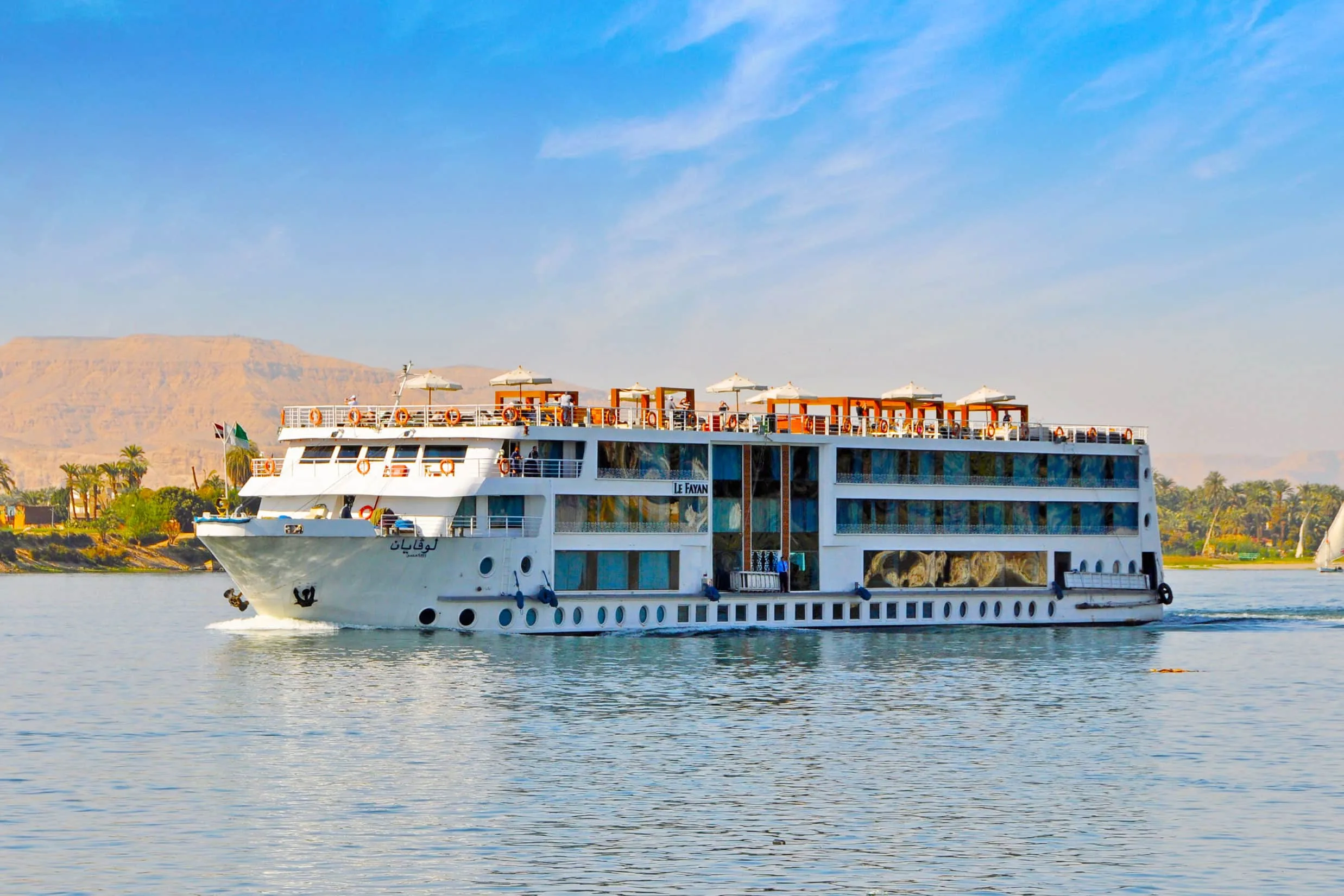
Sail the Nile aboard a 5-star cruise, exploring ancient temples and royal tombs with full-board dining
6 days
Free Cancellation
Comprehensive journey through ancient wonders from Cairo's pyramids to Abu Simbel's colossal temples
2 hours
Free Cancellation
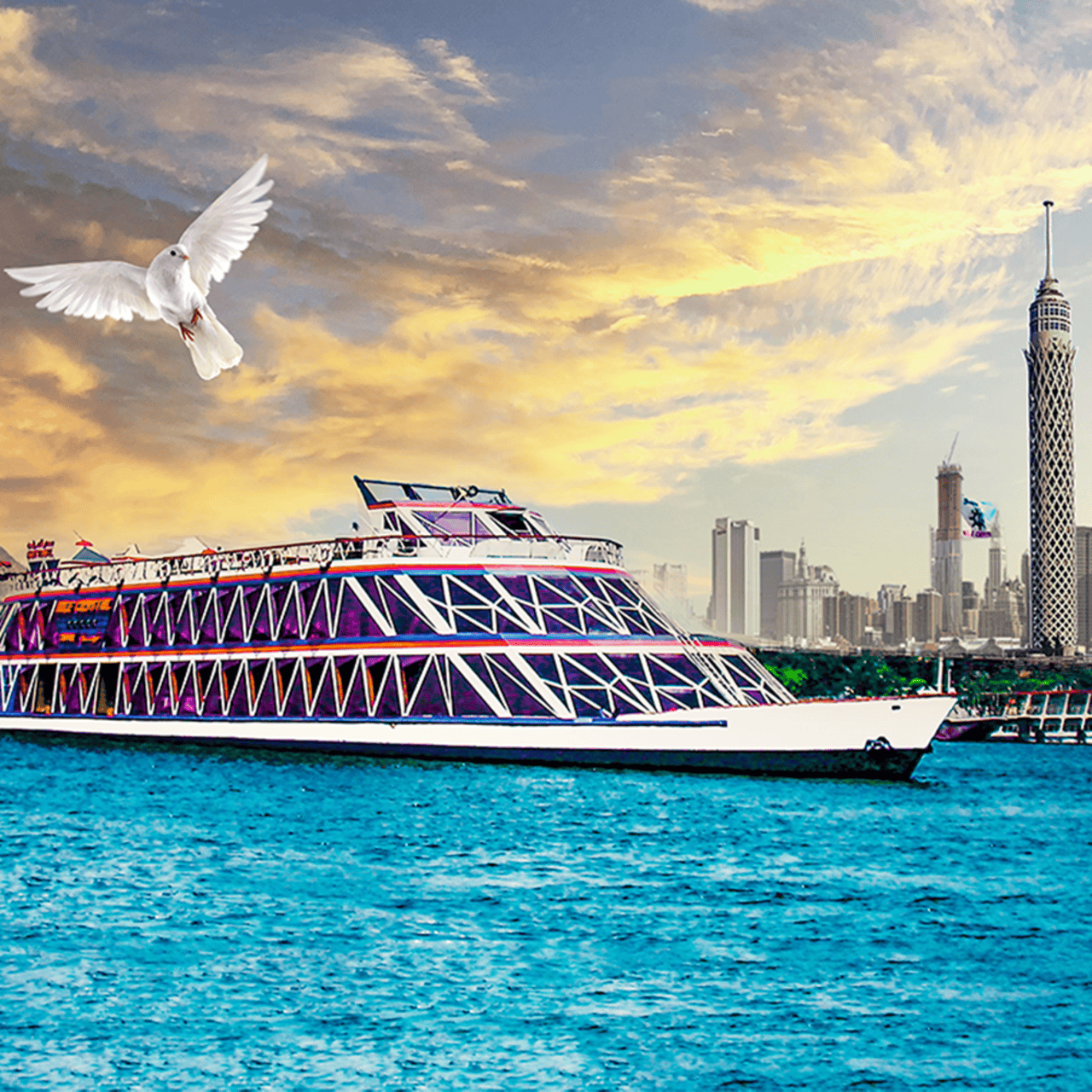
Glide along Cairo's illuminated waterfront with live entertainment, international buffet, and Egyptian hospitality.
2 hours
Free Cancellation
Sail the Nile at night with buffet dining, belly dancing, Tanoura whirling, and live music aboard a spacious vessel
4 days
Free Cancellation
Fly to Luxor for a sunrise balloon ride, cruise the Nile, and explore Egypt's most iconic temples
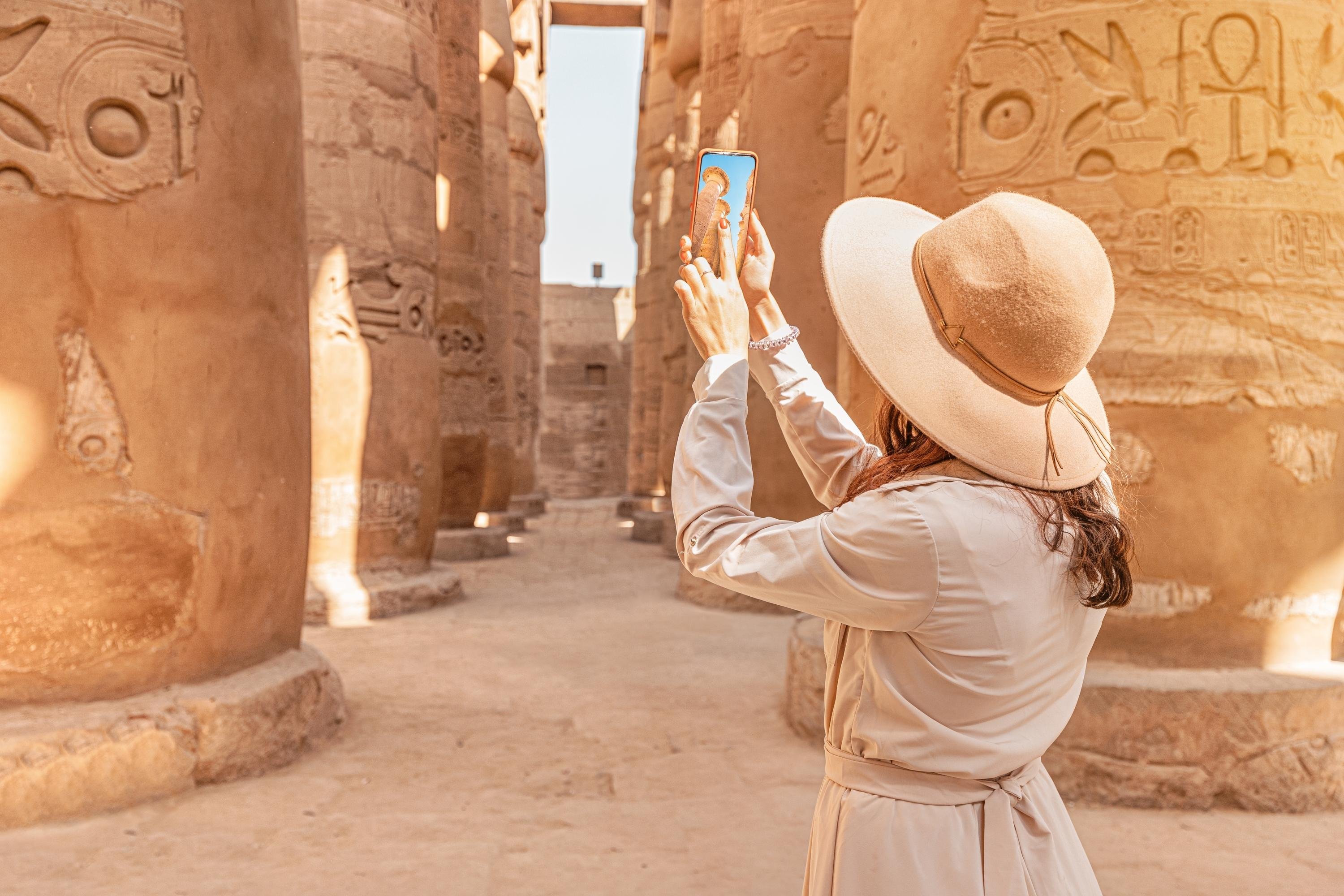
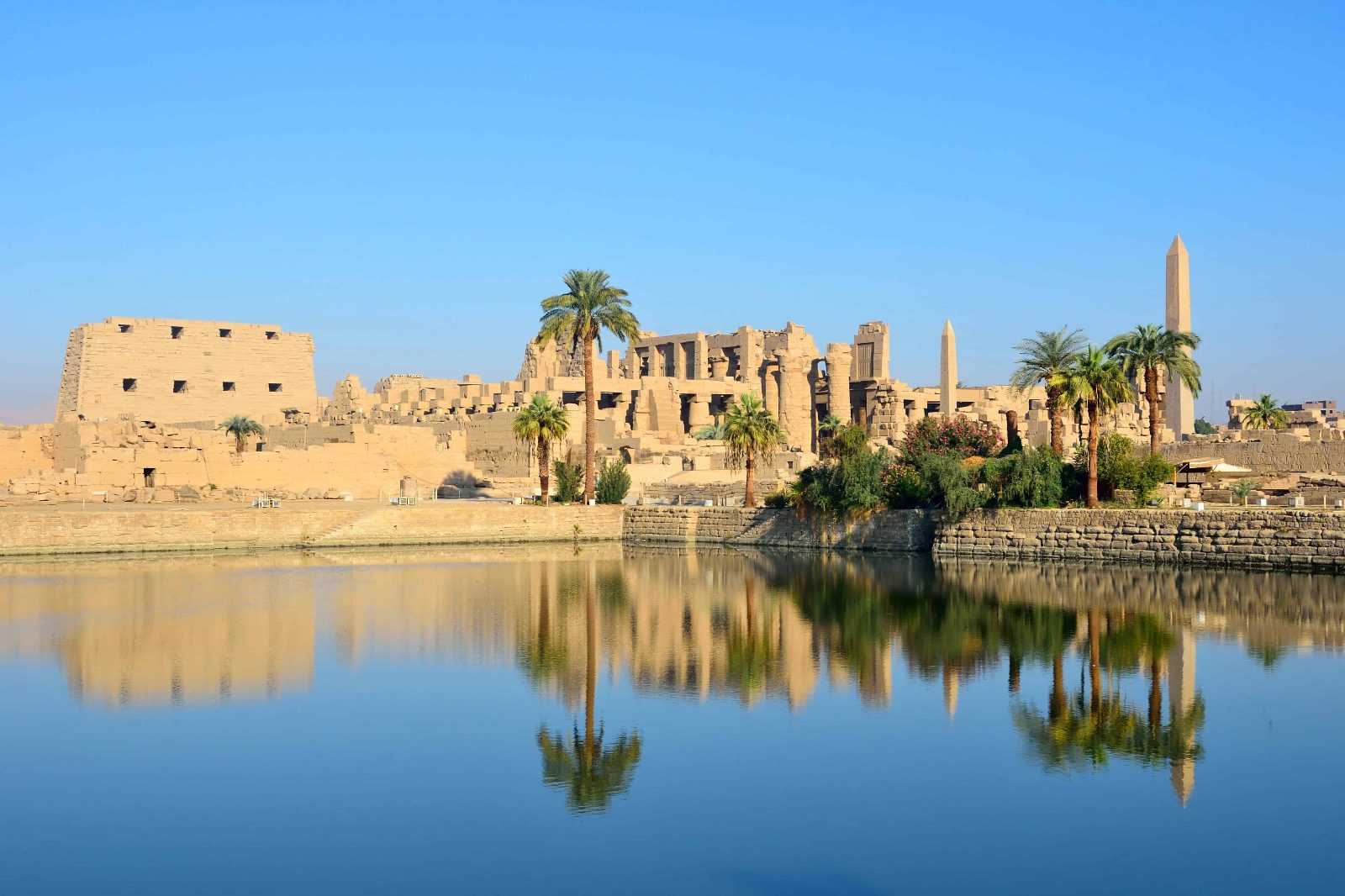
This massive complex is the largest religious building ever constructed. It features the famous Hypostyle Hall with 134 towering stone columns.
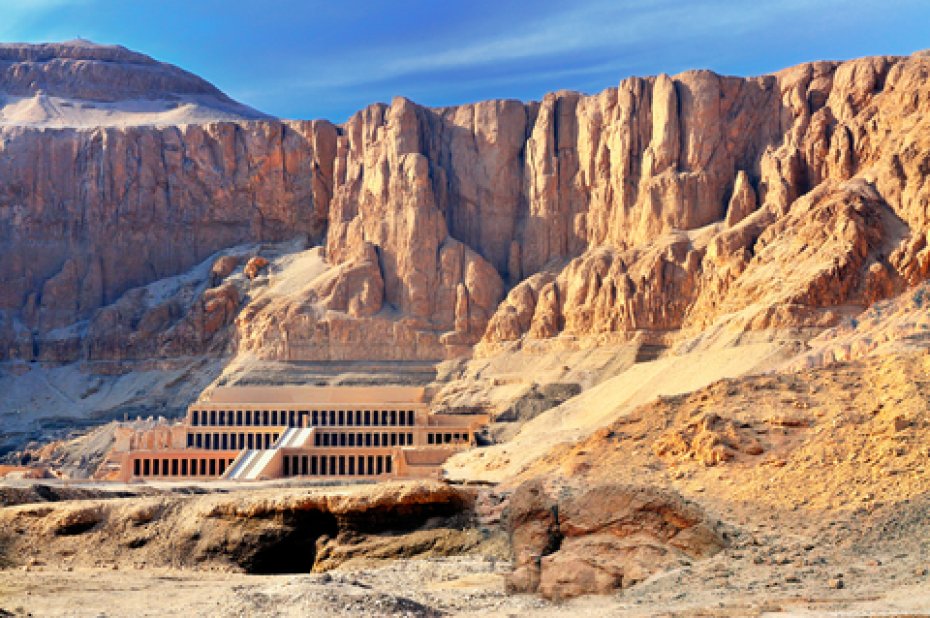
Located near Luxor, this site houses the tombs of powerful pharaohs. Detailed wall paintings have been preserved for thousands of years.
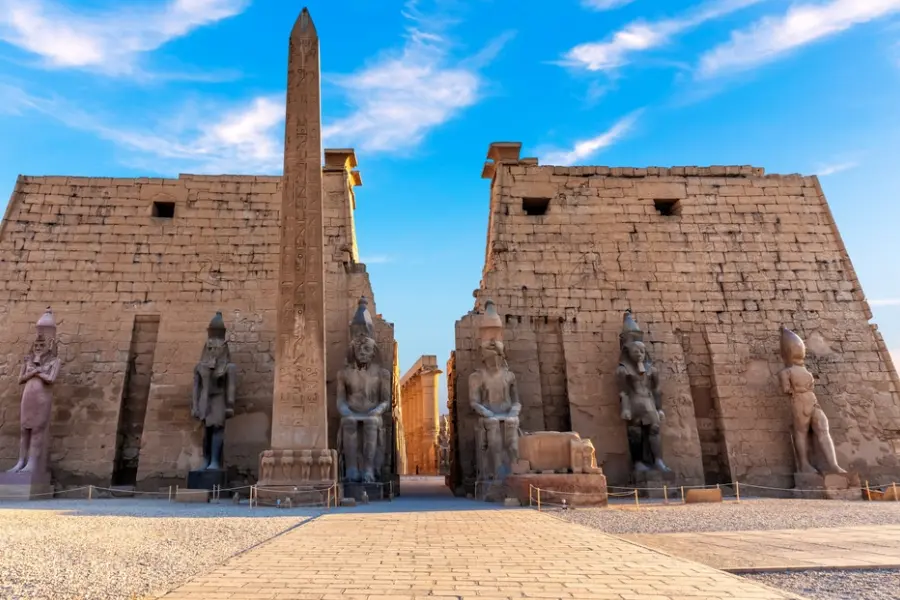
Situated on the east bank of the Nile River, this temple is central to the Opet festival. It displays remarkable statues and obelisks.
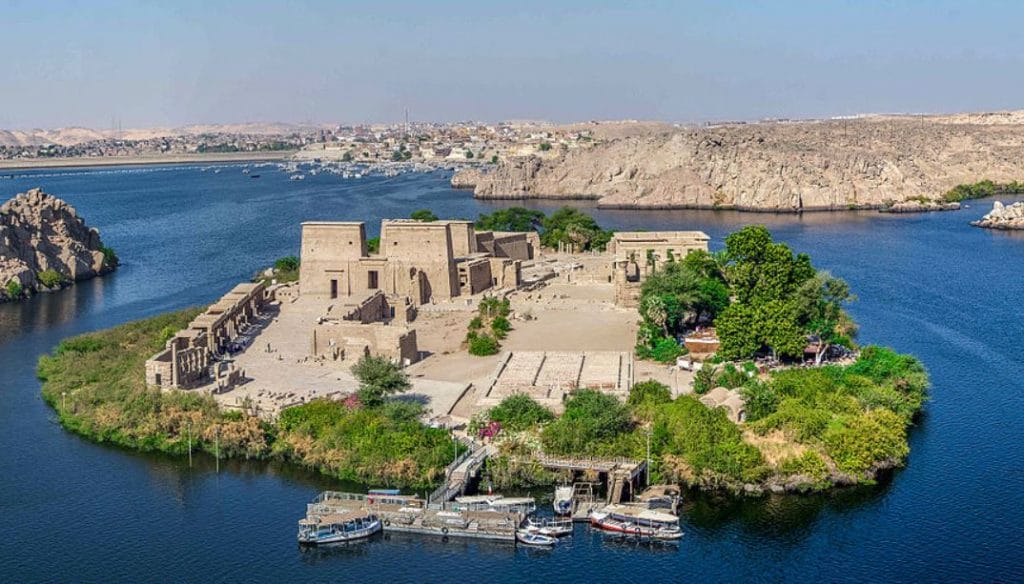
Dedicated to the goddess Isis, this temple is situated on an island. It was relocated stone by stone to prevent flooding.
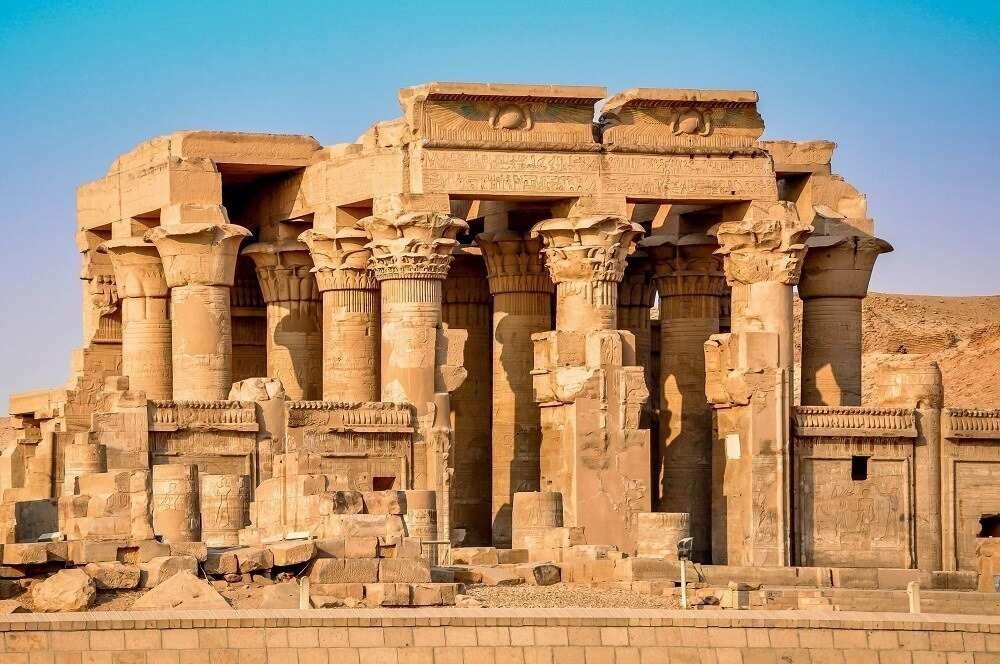
This unique dual-temple was dedicated to Sobek and Horus. It includes ancient mummified crocodiles on display.
All the details about your upcoming adventure in one place
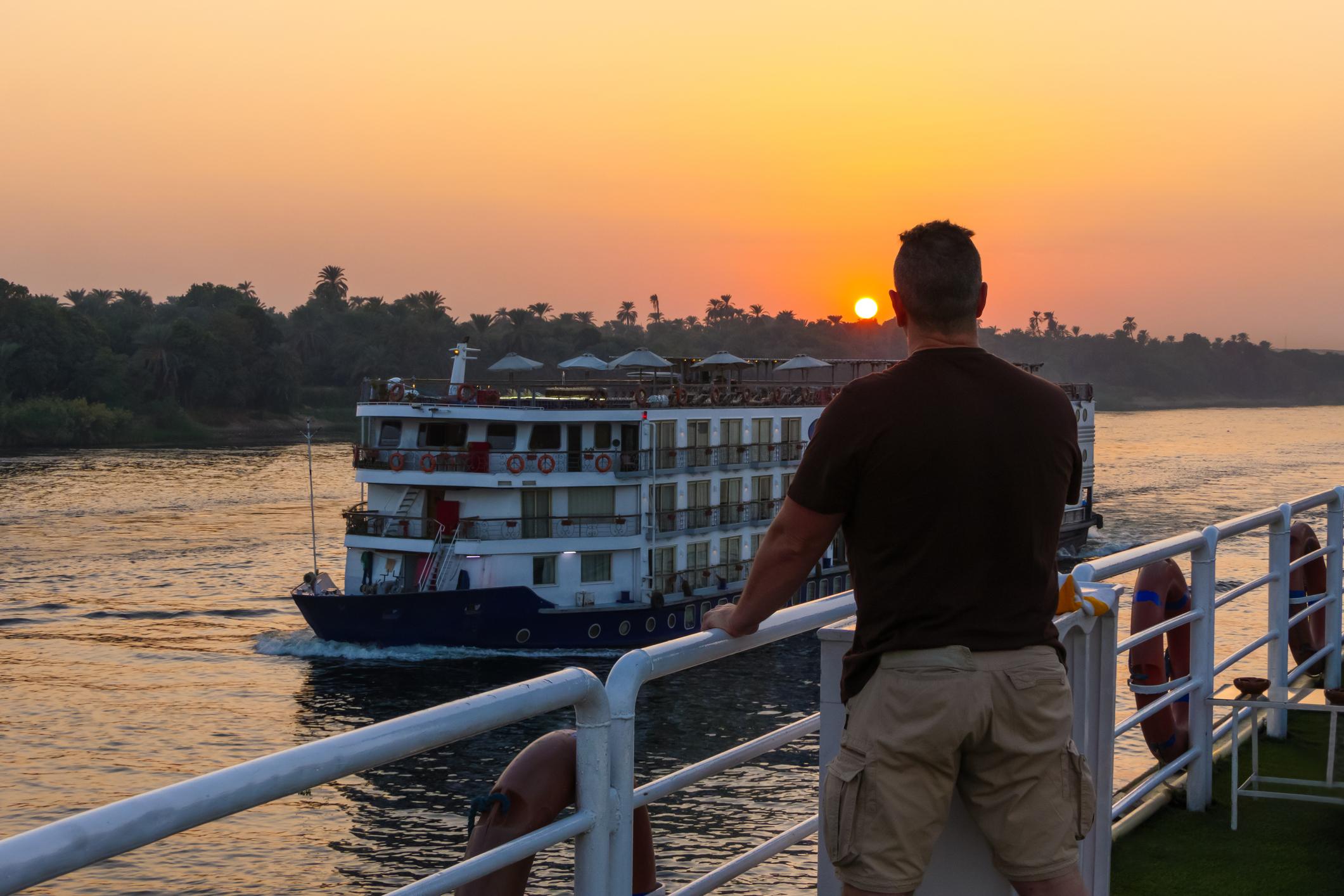
A nile cruise from cairo to luxor offers a scenic river journey through Egypt's heartland, stopping at ancient temples and monuments along the way. Most sailings include guided shore excursions to sites like the Valley of the Kings, Karnak Temple, and Edfu Temple, with onboard meals and entertainment. Nile cruise from cairo to luxor tours typically span three to five days, allowing time to explore key archaeological sites between the two cities.
The Nile flows 950 kilometres from Cairo to Luxor, a distance that took ancient Egyptians three weeks by sail and modern travellers three to five days by motorized vessel.
Multi-day sailings along this stretch pass Beni Suef's agricultural plains, the desert cliffs of Minya, the Ptolemaic temples at Dendera and Abydos, and the Valley of the Kings on Luxor's western bank. The river narrows through Middle Egypt, widening again near Qena, where feluccas and cargo barges share the channel with cruise ships. British colonial-era steamers introduced leisure travel on this route in the 1860s; today's fleet ranges from 200-passenger vessels with sun decks and pools to privately chartered dahabiyas accommodating twelve guests.
A nile cruise from cairo to luxor crosses three governorates and four millennia of architecture. Departures from Cairo's river docks typically include overland excursions to Amarna's rock-cut tombs, the necropolis at Tuna el-Gebel, and the temple of Seti I at Abydos, where hieroglyphs list seventy-six pharaohs. Onboard schedules synchronize meals with riverside landmarks: dawn brings views of the Eastern Desert escarpment, midday passes sugarcane fields and mud-brick villages, evening anchors near Ptolemaic ruins illuminated after dark. The nile cruise from cairo to luxor price varies by cabin category, season, and itinerary length, with luxury nile cruise from cairo to luxor packages adding private Egyptologists and extended stops at lesser-known sites.
The river's northern section, from Cairo to Asyut, remains less travelled than the Luxor-Aswan corridor, offering encounters with working riverbanks rather than concentrated tourist infrastructure. Farmers irrigate fields using Archimedes screws unchanged since Roman occupation; fishermen cast nets from wooden skiffs at dawn. Cruises targeting this route allocate longer transit days, as locks at Nag Hammadi and Esna regulate traffic flow. Understanding how long a nile cruise from cairo to luxor takes—typically four nights minimum for meaningful site visits—helps travellers balance deck time with temple exploration. The journey concludes at Luxor's Corniche, where passengers disembark within walking distance of Karnak's hypostyle hall and the funerary temples of the Theban west bank.
The river flows 950 kilometres from Cairo to Luxor, a distance that took ancient Egyptians three weeks by sail and modern travellers three to five days by motorized vessel.
Cruises are tour packages with varying private pricing and cancellation terms. Most operators require notification at least 30 days prior to departure for a full refund of the 0 USD entrance fee and package balance.
Weather · crowds · average price — dots go green to amber to red as each metric rises.
September to November offers milder temperatures for outdoor deck time. The river is calm, and landmark sites are less crowded than in mid-winter.
December to February provides cool, comfortable weather for exploring ancient monuments. This is the peak season for a nile cruise from cairo to luxor tour.
March to May features pleasant warmth, though visitors should monitor for occasional desert winds. It is a transition period with varied tourism traffic.
June to August brings high temperatures. Travelers often focus on indoor activities and evening deck sessions.
Drink significantly more water than usual to combat the arid Egyptian climate. Always ensure your water bottles are factory-sealed.
Apply sunscreen frequently, as the glare off the water intensifies UV exposure. Wear sunglasses even on cloudy days.
Begin shore excursions during the 08:00–10:00 arrival window to maximize comfort. This allows you to explore sites before the midday heat peaks.
Keep small denominations of local currency for gratuities. Tipping is a standard practice throughout Egypt.
The Nile River has served as Egypt's primary artery for over five millennia, connecting the administrative power centers of the north with the sacred temples of the south. Ancient Egyptians navigated this route using feluccas and barges laden with tribute, construction materials, and pilgrims bound for Karnak and the Valley of the Kings. Pharaohs of the New Kingdom (1550–1077 BCE) regularly traveled between Memphis—near modern Cairo—and Thebes, the capital we now call Luxor, to oversee monumental building projects and religious festivals. The river's predictable flood cycle dictated agricultural prosperity and made water transport far more reliable than overland caravans crossing the desert. Modern leisure cruising on the Nile began in the 1840s when Thomas Cook organized the first commercial steamship tours for European travelers seeking antiquities. By 1869, the opening of the Suez Canal brought a surge of international visitors, and paddle steamers became floating hotels ferrying archaeologists, Orientalist painters, and wealthy tourists southward. The golden age of Nile cruise from Cairo to Luxor tours peaked between 1880 and 1914, when vessels like the SS Sudan carried passengers in colonial luxury. Political instability in the mid-20th century disrupted tourism, but the industry revived dramatically after the 1970s peace accords, prompting construction of modern air-conditioned cruise ships. The Aswan High Dam, completed in 1970, fundamentally altered the river's ecology and navigation. Lake Nasser submerged Nubian villages and forced the relocation of Abu Simbel, but it stabilized water levels and eliminated seasonal flooding that once restricted Nile cruise from Cairo to Luxor schedules. Contemporary cruises follow a route refined over centuries, stopping at Ptolemaic temples in Edfu and Kom Ombo before reaching Luxor's sprawling necropolis. The journey remains a direct link to ancient Egyptian pilgrimage routes, though passengers now travel in vessels equipped with satellite navigation rather than relying on the star-aligned obelisks that once guided reed boats upstream.
Narmer unifies Upper and Lower Egypt, establishing the Nile as the kingdom's central transport corridor
New Kingdom pharaohs commission royal barges for ceremonial voyages between Memphis and Thebes
Thomas Cook launches the first organized steamship tours carrying European travelers to Egyptian antiquities
Suez Canal opening triggers a tourism boom, with paddle steamers becoming floating hotels on the Nile
The golden age of luxury Nile cruising attracts archaeologists, artists, and colonial-era tourists
Aswan High Dam completion stabilizes water levels, enabling year-round cruise schedules
Peace accords revive tourism; modern air-conditioned cruise ships replace aging steamers
Political transitions temporarily disrupt tourism, but the route remains Egypt's signature heritage journey
Everything you need to know for your journey
Accessibility varies by ship, so confirm infrastructure like ramps with your specific operator.
Prohibited items include weapons, drones, and illegal substances on your nile cruise from cairo to luxor.
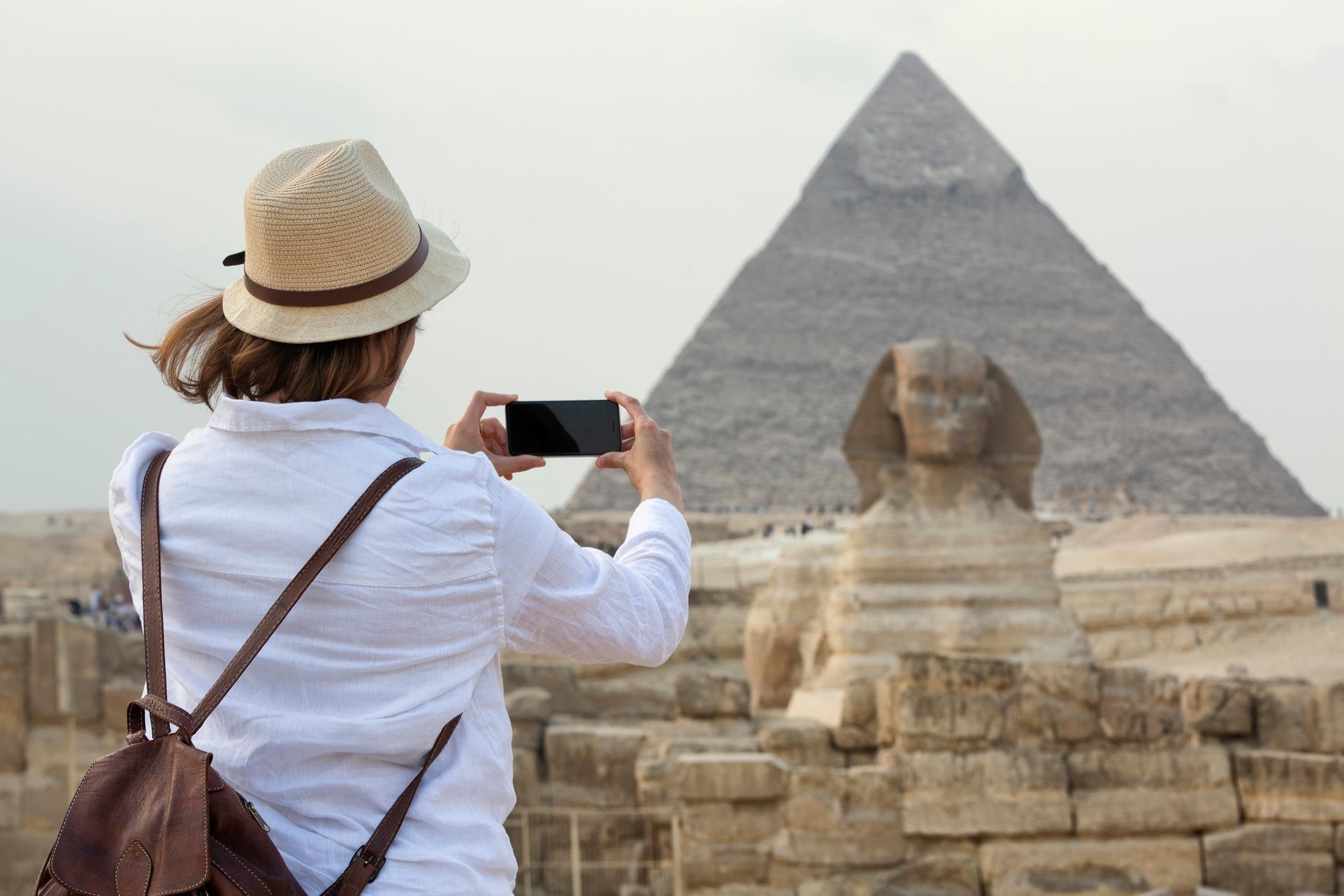
Photography is generally allowed, but follow local guidelines at temple sites during your nile cruise from cairo to luxor tour.
Wear modest, breathable clothing to respect local culture while staying comfortable.
Most packages are all-inclusive, covering meals throughout the journey.
Yes, many operators accommodate families with specific cabin layouts and activities.
Check your specific tour provider policy; standard terms often require 30 days notice for a refund of the package price.
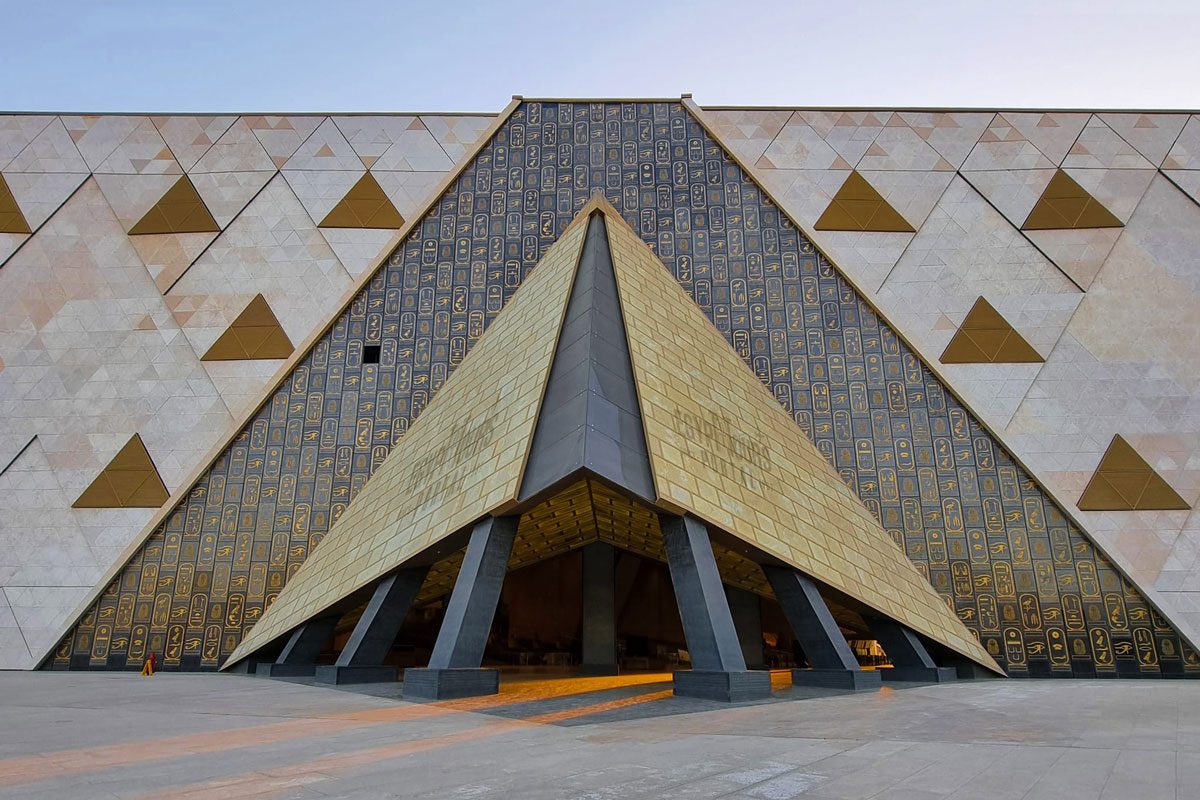
Home to thousands of ancient artifacts. It provides context for the history seen on a nile cruise from cairo to luxor tour.
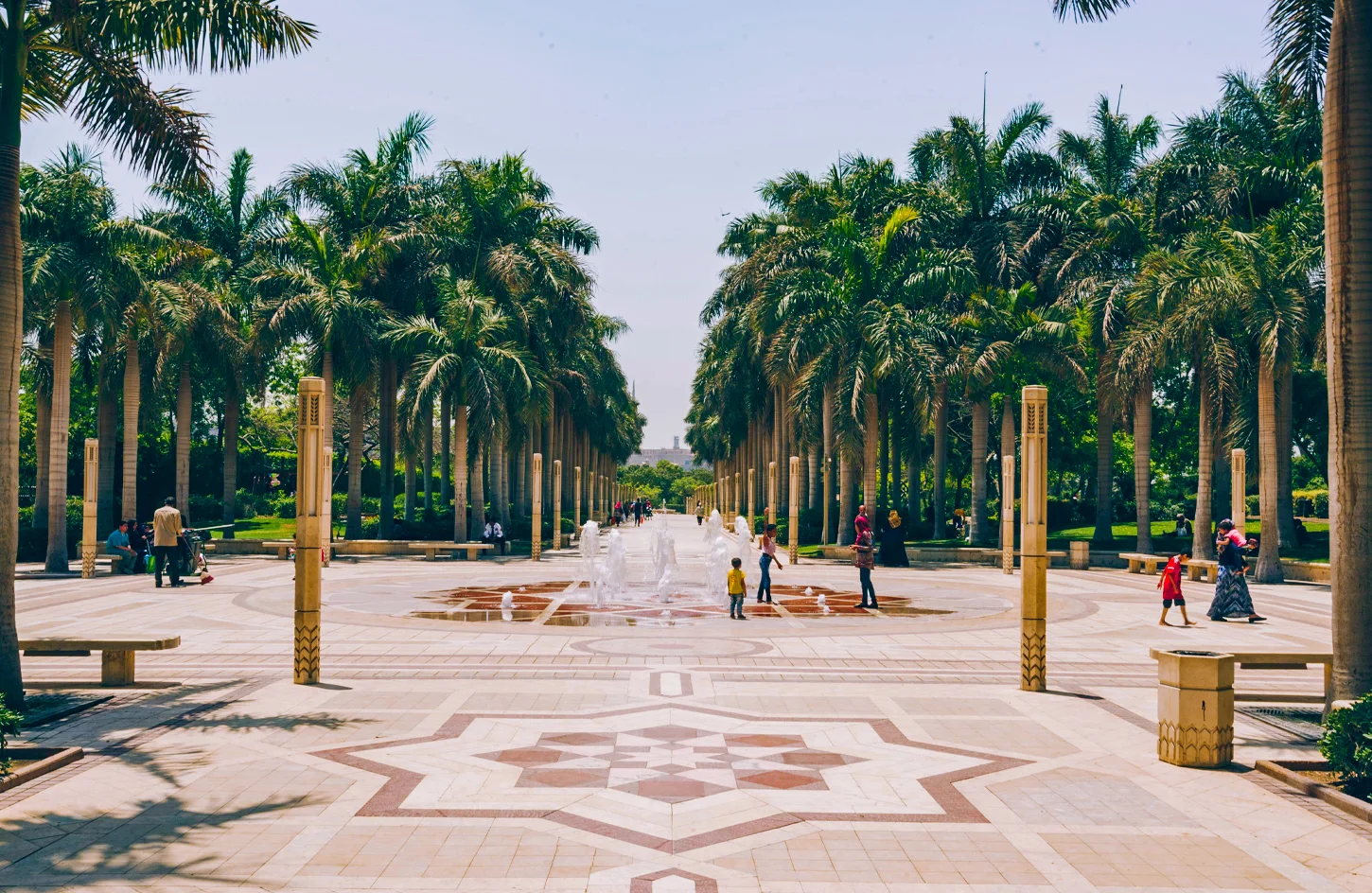
A large green space offering views of the city skyline. It serves as a calm retreat before embarking on your Nile River journey.
Central district with proximity to the Nile River.
A historic neighborhood adjacent to the water.
The destination hub for many Nile River excursions.
Join thousands of happy travelers who have discovered this incredible experience
Book Your Experience Now